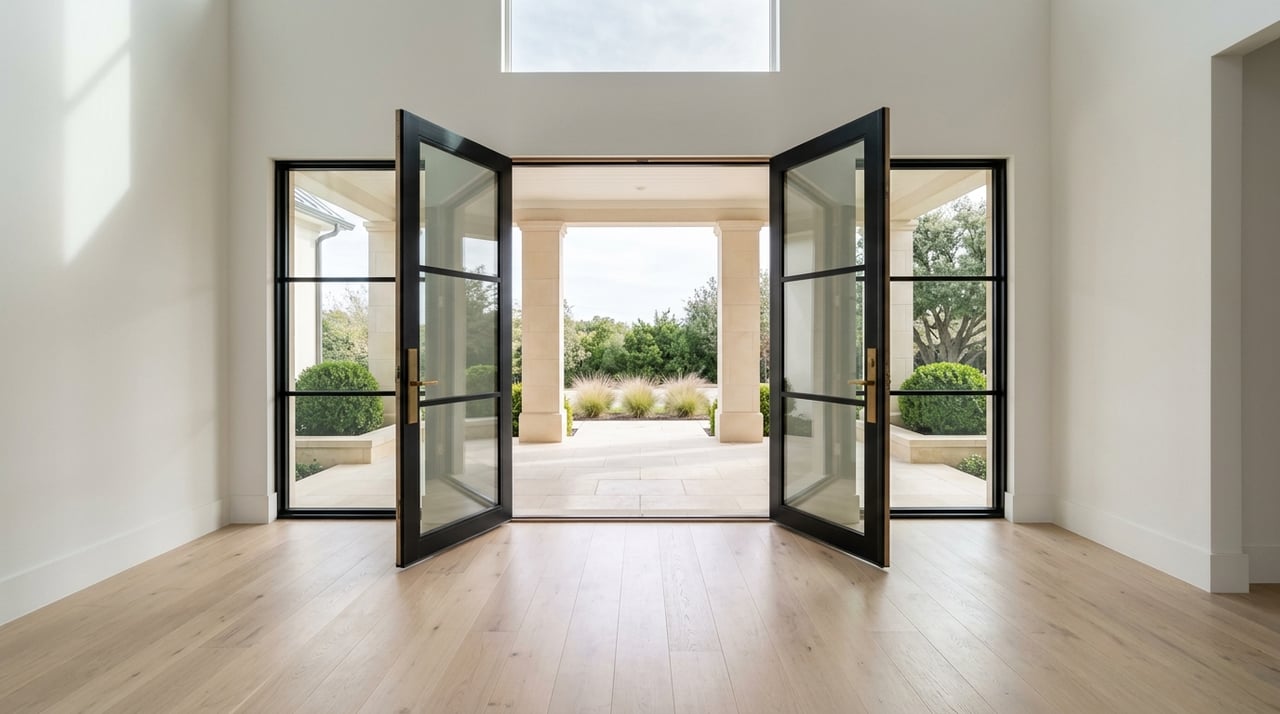
Building a custom home in Westlake can be exciting, but it also comes with more moving parts than many buyers expect. A lot that looks perfect at first glance may have very different zoning, drainage, tree, HOA, or utility considerations than the lot next door. If you are planning a custom build, understanding those details early can save you time, money, and stress later. Let’s dive in.
Start With Westlake's Development Rules
Westlake is a master-planned community, and development is guided by municipal code, planned development ordinances, and the town’s comprehensive planning framework. The town also notes that its zoning map is a reference tool, not the final word on zoning status, so you should confirm exact zoning with Planning staff before putting a lot under contract.
That step matters because residential sites must be zoned for the intended use and must be platted lots of record. According to Westlake’s Residential Project Guidelines, lots can also fall within HOA boundaries or special taxing districts such as PIDs and MUDs, which may affect approvals, maintenance responsibilities, and carrying costs.
Westlake includes multiple residential categories, including R-1 Estate Residential, R-2 Rural Residential, R-5 Country Residential, RA Residential Airpark, and PD Planned Development Residential. The town’s official zoning map also shows areas like Vaquero, Glenwyck Farms, Terra Bella, Entrada, Solana Hills, and Villaggio, which highlights how different one custom-home setting can be from another.
Evaluate the Lot Before You Commit
In Westlake, lot diligence goes far beyond size and location. Before you move forward, you will want to understand setbacks, lot coverage, drainage, tree impacts, and whether HOA or architectural review approval is required.
Westlake’s permit package requires a scaled site plan with setbacks, address, lot and subdivision information, lot coverage, and the proposed home location. The town also requires drainage and grading plans, tree conservation or mitigation plans, and, where applicable, an HOA or ACC approval letter, as outlined in the Residential Project Guidelines.
If the site is a single lot that was not platted as part of a subdivision, the town requires an engineered drainage study and plan. Westlake also requires an engineered foundation and piers plan with a professional engineer letter for all structures, and retaining walls over 4 feet need engineering, which makes early civil and structural review especially important on more complex homesites.
Watch Tree and Landscape Requirements
Tree protection is a major part of custom-home planning in Westlake. New construction on lots with trees must include a tree survey, tree protection plan, and landscape plan.
The town also states that some planned developments, including Entrada, Granada, and Vaquero, may have additional tree and landscaping requirements. You can review those details on Westlake’s Trees and Landscaping page, but the practical takeaway is simple: tree-related constraints should be part of your lot analysis from day one.
Confirm Utilities Separately
A building permit does not automatically cover every utility issue. Westlake states that water meters and hydrants are coordinated through Public Works, and utility construction in easements and rights-of-way is not authorized by a building permit.
That means utility access, connection timing, and any related site work should be treated as a separate due-diligence item. If you are comparing multiple lots, this can be one of the details that changes overall cost and timeline more than expected.
Choose a Builder Who Knows Westlake
Not every custom-home builder is equally prepared for Westlake’s process. Because the town is paperless and manages registrations and permits online through MyGov, your builder should already be comfortable with the local submission process and documentation requirements.
Westlake’s Developing in Westlake page outlines a typical new-home submittal package that includes the permit application, plan review fee, site plan, building plans, code data sheet, drainage and grading plans, engineered foundation documents, energy report, landscape plan, and HOA or ACC letter when required.
Westlake’s Permitting Process page also states that all new homes must be built to the standards in the Building Quality Manual, and that most new single-family homes require an HOA Approval Letter at submittal. In other words, your builder should be ready to coordinate with the neighborhood association early, not after plans are already underway.
Questions to Ask a Builder
When you interview builders for a Westlake custom home, ask practical, location-specific questions such as:
- How many Westlake homes have you completed, and in which neighborhoods?
- Who prepares the survey, drainage, tree, foundation, and landscape documents?
- How do you handle HOA or ACC approval letters?
- Which items usually require separate permits?
- How do you schedule fire, public-works, and final inspections?
A strong builder should be able to explain the process clearly and identify the consultants needed for your lot. They should also understand that Westlake review often involves coordination among the architect, surveyor, civil engineer, structural engineer, landscape professional, and specialty trades.
Understand the Approval Timeline
When buyers think about timing, they often focus on construction duration. In Westlake, approvals and completeness can shape your timeline just as much as the build itself.
The town says the Development Review Committee meets twice a month on Wednesday mornings, but meeting dates are only guidelines because applications must be administratively complete before they are accepted. Westlake explains this process on its development review page, which is why incomplete submissions can delay a project before review even starts.
Once a complete residential submittal is accepted, plan reviews are generally completed within 10 to 15 working days. Westlake also notes in its Residential Project Guidelines that incomplete packages are not reviewed.
Plan for Separate Permits and Inspections
Another common timing issue is assuming everything is covered under one approval. Westlake limits residential review to the primary home and fences shown on the submitted plans, while pools, irrigation systems, and retaining walls require separate review and permitting.
The town also outlines a detailed inspection sequence that includes:
- Initial grading, tree protection, and erosion control
- Plumbing rough
- Foundation
- Framing
- Fire sprinkler rough
- Electrical and mechanical rough
- Public-works final
- Fire final
- Building final
Inspection requests must be submitted before 3:45 p.m. for next-business-day service, and holiday or after-hours inspections require at least three days of advance coordination. Those details may sound small, but they can affect move-in timing if your team is not planning ahead.
Build Around Current Code Requirements
A custom home in Westlake should be designed with current code requirements in mind from the beginning. Westlake’s building codes page states that the town adopted the 2021 International Code family with NCTCOG-recommended amendments effective Oct. 1, 2023.
Westlake’s residential guidelines also state that new buildings must include an automatic fire sprinkler system. That requirement can affect design, engineering, trade coordination, and scheduling, so it is best addressed at the concept stage rather than later in the process.
Assemble the Right Advisors Early
In a market like Westlake, your team matters almost as much as your floor plan. Based on the town’s requirements for platted lots, engineered drainage and foundation documents, tree mitigation, HOA or ACC approval, and final closeout certifications, the most useful specialist advisors are often:
- A surveyor
- A civil engineer
- A structural engineer
- An attorney or other advisor to review HOA documents and special-district issues
This is where concierge guidance can make a real difference. When you evaluate a lot, compare builder fit, and map out approvals before you commit, you can move forward with more confidence and fewer surprises.
A Smarter Way to Plan a Westlake Custom Home
If you are planning a custom home in Westlake, the best first step is not choosing finishes or sketching a floor plan. It is making sure the lot, builder, review path, and timing all work together.
Westlake offers exceptional opportunities for custom homes, but it is also a place where due diligence matters. If you want experienced, local guidance as you evaluate lots, builders, and the path to construction, Denise McCormick (TX) offers hands-on homesite and new-construction advisory tailored to the northwest DFW luxury market.
FAQs
What should you verify before buying a lot in Westlake for a custom home?
- You should verify zoning with Westlake Planning staff, confirm the lot is a platted lot of record, and review setbacks, lot coverage, drainage needs, tree impacts, HOA or ACC requirements, utility coordination, and any PID or MUD considerations.
How long does plan review take for a new home in Westlake?
- Westlake states that plan reviews are generally completed within 10 to 15 working days after a complete residential submittal is accepted.
Do Westlake custom homes need HOA or architectural approval?
- In many cases, yes. Westlake says most new single-family homes require an HOA Approval Letter at submittal, and some planned developments have additional design, tree, or landscaping requirements.
Are separate permits required for features beyond the house in Westlake?
- Yes. Westlake notes that residential review is limited to the primary home and fences shown on the submitted plans, while items like pools, irrigation systems, and retaining walls require separate review and permitting.
What consultants are helpful when planning a custom build in Westlake?
- The most useful advisors are often a surveyor, civil engineer, structural engineer, and an attorney or other advisor who can review HOA documents and special-district issues.
