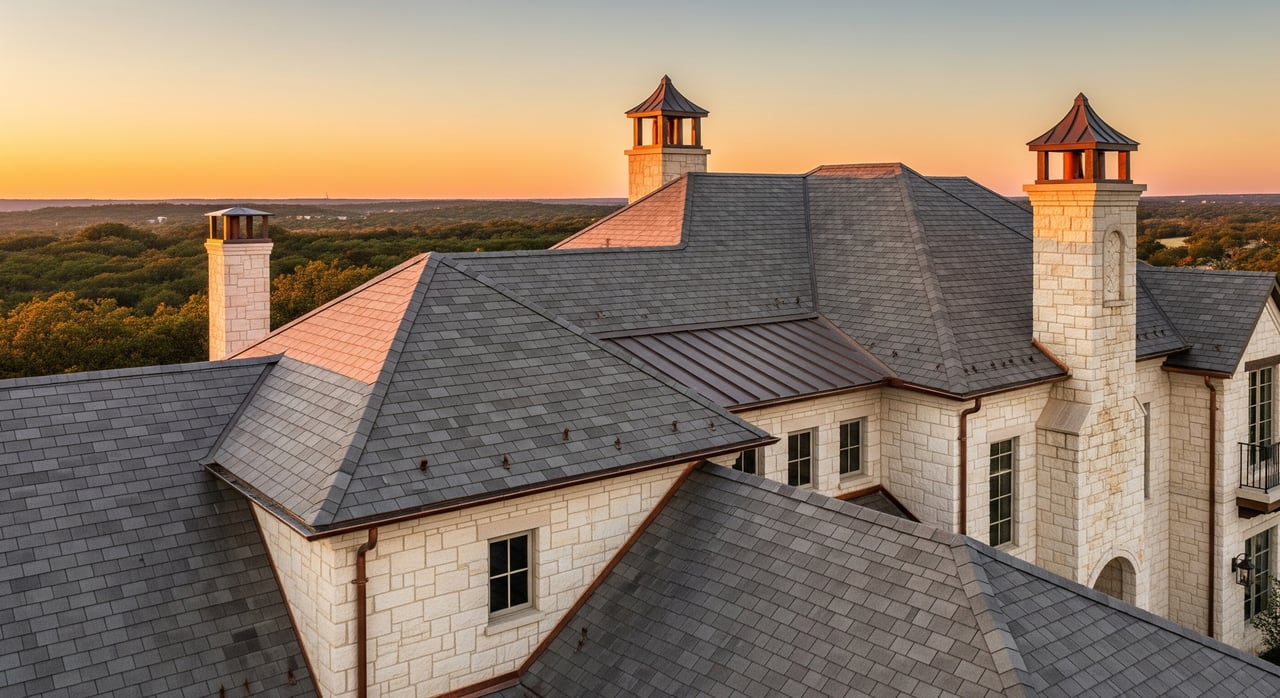
The North Texas sun and spring storms can take a toll on any home in Westlake. You feel it in summer electric bills and every time hail shows up in the forecast. If you are deciding whether to replace your roof, add attic insulation, or install a radiant barrier, you want upgrades that protect your investment and keep your home comfortable.
This guide walks you through the smartest roofing and attic strategies for Westlake’s climate. You will learn how impact ratings work, which materials stand up to hail and wind, and how to pair insulation and ventilation for cooler rooms and lower operating costs. Let’s dive in.
Why Westlake weather matters
Westlake sits in North Texas with long, hot summers and a cooling season that stretches across much of the year. Roofs absorb heavy solar heat, which raises attic temperatures and drives up AC use. Humidity can also creep in during parts of the year, so moisture control in attics matters.
Spring and fall storms often bring large hail and strong winds. That means your roof and attic need two things: durability during severe weather and measures that cut summer heat gain.
Impact-rated roofing basics
What Class 4 actually means
UL 2218 is the common test for roof impact resistance. A Class 4 rating is the highest level in that test and indicates strong resistance to hail impact. It reduces the chance of shingle fracture, but no roof is invincible in every storm. Installation quality and the condition of the roof deck still matter.
Wind ratings and fastening
Wind performance depends on the product’s wind rating and proper installation. Fastener type, nailing pattern, underlayment, and flashing details all play a role. Ask your contractor to specify the wind rating for the exact shingle or panel and to confirm the fastening schedule that matches manufacturer instructions and local code.
Roofing materials that fit Westlake
Class 3 and Class 4 asphalt shingles
Architectural asphalt shingles are the most common residential roof. Many products are available with Class 3 or Class 4 impact ratings. Choose a manufacturer and system that include high-quality synthetic underlayment, correct nailing, and attention to flashings for the best wind and water performance.
Metal roofing
Standing seam and stone‑coated steel roofs offer strong wind performance and good hail resistance. Large hail can dent thinner panels, but dents do not always mean leaks. If you like a metal look or want low maintenance, ask about thicker gauges and cool finishes that reflect more sun.
Tile and engineered options
Concrete and clay tile are durable when installed with the right fastening systems, though tiles can crack under concentrated impact. Synthetic slate and other engineered roofing products are designed to meet Class 4 tests while delivering upscale looks.
Details that boost resilience
- Use synthetic underlayment for tear resistance and water shedding.
- Add self‑adhering membranes around valleys, eaves, and penetrations to limit leaks if hail or debris cause damage.
- Inspect and replace flashings and drip edge. Small details often determine whether a storm leads to a leak.
- Coordinate roof work with attic ventilation to protect warranties and performance.
Attic strategies that work here
Start with air sealing
Before you add insulation, seal gaps. Common leakage points include recessed lights, plumbing and electrical penetrations, and the attic hatch. Air sealing often delivers the best return per dollar because it keeps conditioned air where you want it.
Insulation targets
Westlake falls in IECC Climate Zone 3. A practical attic target for existing homes is R‑38 to R‑60, depending on what you already have and space available. Blown‑in fiberglass or cellulose is often the easiest way to top up coverage. Fiberglass batts can work if they fit correctly without compression.
Spray foam considerations
Open‑cell spray foam provides air sealing and can be used at the roof deck to create a sealed (conditioned) attic. Closed‑cell foam has higher R per inch and adds moisture resistance. A conditioned attic can be valuable when your HVAC and ducts are in the attic, but the approach costs more and needs careful moisture planning.
Radiant barriers
Radiant barriers are reflective foils installed in the attic to reduce radiant heat from the roof. In hot climates where cooling dominates, studies commonly report cooling energy savings in the single‑digit to low‑double‑digit range, often around 5 to 10 percent. They are most useful in vented attics with dark roofs or when attic insulation is modest. Radiant barriers do not replace the need for air sealing and adequate insulation.
Ventilation done right
For vented attics, balanced soffit and ridge vents are the preferred passive strategy. This approach helps reduce attic temperatures and humidity. Turbine or powered attic fans are usually not the first choice because they can pull conditioned air from the house if air leaks are present.
Vented vs sealed attics
Vented attic with insulated ceilings
This traditional setup uses insulation on the ceiling plane with soffit and ridge vents in the attic. It pairs well with radiant barriers and is effective when air sealing is done and ducts are sealed and insulated.
Sealed conditioned attic
Insulating and air sealing at the roof deck brings the attic inside the thermal envelope. This can improve comfort and efficiency when HVAC equipment and ducts are in the attic and helps avoid extreme attic temperatures. It requires proper moisture control and has a higher upfront cost. Your home’s design and HVAC layout will guide the best choice.
Two upgrade paths
Getting ready to list your Westlake home
- Inspect and repair quickly. Patch damaged shingles, repair flashing, and fix gutters and fascia. Visible issues deter buyers and can affect appraisals and inspections.
- Evaluate roof age and appearance. If the roof is near end of life, consider replacement. An impact‑rated product can be a selling point in a hail‑prone area. Balance cost with likely buyer value in your price band.
- Document condition and coverage. Keep a written contractor inspection, any remaining manufacturer warranty, and insurance repair records to smooth negotiations.
- Tidy attic basics. Insulate and weather‑strip the attic hatch, correct obvious insulation gaps, and confirm vents are clear. A comfortable interior during showings supports stronger offers.
- Target practical wins. Topping up attic insulation and sealing bypasses are easier to explain to buyers than a full roofing project and help the home feel calmer and cooler.
Lower bills and extend roof life
- Air seal first, then insulate to reach a practical R‑38 to R‑60.
- Address ductwork. Seal and insulate attic ducts or evaluate a sealed attic if leakage is significant.
- Consider a radiant barrier if your attic is vented and cooling loads are high.
- When replacing a roof, look for a high impact rating and strong wind rating within your budget. Consider cool finishes or lighter colors to reduce solar gain.
- If HVAC sits in the attic, compare costs and benefits of a sealed attic against duct rehab.
- Review your insurance. Some carriers offer credits or deductible options for impact‑resistant roofs. Policies vary, so confirm details before you buy.
Insurance and permitting basics
Many Texas insurers offer credits tied to impact‑resistant roofing or specific mitigation features. The details vary by company and policy. Review guidance from the Texas Department of Insurance and confirm code and permitting requirements for Denton County and the Town of Westlake before work begins.
Choosing the right contractor
What to ask and verify
- Confirm licensing, insurance, references, and any manufacturer certifications needed for system warranties.
- Get at least two comparable proposals with the same scope and materials. Ask for the product’s impact and wind ratings in writing.
- Require a written scope for attic air sealing and specify insulation type and target R‑value.
- Make sure the contractor will handle permits and follow local code and manufacturer instructions.
Make it turnkey with concierge help
If you prefer a seamless process, a concierge approach can coordinate roof inspections, insulation upgrades, and documentation before you list. A vetted vendor network and hands‑on management keep bids comparable, scope tight, and timelines clear. That means you get practical comfort upgrades and a polished presentation that supports your sale strategy.
Ready to talk through the right plan for your Westlake home or prep your property for market? Connect with Unknown Company to outline the smartest next steps for your goals.
FAQs
Do Class 4 shingles prevent hail damage in Westlake?
- Class 4 shingles provide the highest laboratory impact rating and reduce the chance of shingle fracture, but no roof is hail‑proof. Proper installation and a sound deck are still critical.
Are radiant barriers worth it for North Texas attics?
- Often yes in vented attics with high summer cooling loads, especially with dark roofs or modest insulation. Typical cooling savings are commonly around 5 to 10 percent.
Should I vent or seal my attic in Westlake’s climate?
- Both work when detailed correctly. Vented attics suit many homes. Sealed attics can shine when HVAC and ducts are in the attic, but they require careful moisture control and higher upfront cost.
Will a metal roof lower cooling bills in Denton County?
- Metal roofs with reflective finishes can reduce heat gain, which helps cooling loads. The biggest energy savings usually come from air sealing and adequate attic insulation.
Will my insurance premium drop with impact‑rated shingles in Texas?
- Many insurers offer discounts or deductible benefits for impact‑resistant roofing, but amounts vary by carrier and policy. Confirm details with your insurer before you buy.
